
Introduction
In today’s fast-changing world, having the right skills is just as important as having formal education. Industries are evolving, technology is advancing, and job roles are constantly changing.
This is where the skills development council plays a vital role. It helps individuals, businesses, and economies grow by focusing on practical, job-ready skills.
A skills development council works as a bridge between education and employment. It ensures that people learn relevant skills that match real-world job requirements.
By supporting training programs, certifications, and workforce planning, the skills development council helps reduce unemployment and improve productivity.
What Is a Skills Development Council?
A skills development council is an organization or body responsible for planning, promoting, and improving skill-based education and training.
Its main goal is to prepare individuals with the skills needed for current and future jobs.
These councils often work closely with industries, training institutions, employers, and government bodies. By understanding market needs, they help design skill programs that are practical, industry-focused, and outcome-driven.
The Importance of Skills Development in Modern Economies
Skill development is essential for economic growth. Countries with a skilled workforce are more competitive, innovative, and resilient. The skills development council ensures that workers are trained according to market demand, reducing the gap between education and employment.
A strong focus on skills helps:
- Improve employability
- Increase income opportunities
- Support industrial growth
- Encourage entrepreneurship
- Reduce poverty and inequality
Key Objectives of a Skills Development Council
Creating Job-Ready Professionals
One of the main objectives of the skills development council is to create job-ready professionals. Instead of focusing only on theory, it emphasizes hands-on training, practical knowledge, and workplace skills.
Aligning Skills with Industry Needs
Industries often struggle to find workers with the right skills. A skills development council solves this problem by aligning training programs with actual industry requirements.
Promoting Lifelong Learning
Learning does not stop after school or college. The skills development council encourages continuous learning so individuals can upgrade their skills throughout their careers.
Role of the Skills Development Council in Workforce Planning
Workforce planning is essential for long-term economic stability. The skills development council studies labor market trends, identifies skill shortages, and plans training initiatives accordingly.
By forecasting future job needs, it helps governments and businesses prepare in advance. This proactive approach ensures that workers are trained before skill gaps become a serious problem.
Skills Development Council and Industry Collaboration
Partnering with Employers
The success of a skills development council depends heavily on industry collaboration. Employers provide valuable insights into job roles, required skills, and workplace expectations.
Designing Practical Training Programs
With industry input, the skills development council designs training programs that focus on real tasks, tools, and technologies used in the workplace.
Improving Employment Outcomes
When training matches industry needs, employment outcomes improve. Graduates find jobs faster, and employers benefit from skilled and productive workers.
Skills Development Council and Education Systems
Traditional education often focuses on academic knowledge. While important, it may not always prepare students for practical work.
The skills development council complements formal education by introducing vocational and skill-based learning.
It encourages:
- Technical training
- Vocational courses
- Apprenticeships
- On-the-job learning
This balanced approach helps learners gain both knowledge and skills.
Benefits of a Skills Development Council for Individuals
Better Job Opportunities
Individuals trained under programs guided by a skills development council have better job prospects. Employers value candidates with certified and practical skills.
Career Growth and Stability
Skill development leads to career growth. As individuals gain new skills, they can move into better roles with higher responsibilities and income.
Increased Confidence
Learning practical skills boosts confidence. People feel more prepared and capable when entering the job market.
Benefits of a Skills Development Council for Businesses
Skilled Workforce Availability
Businesses benefit from a steady supply of skilled workers trained according to industry standards.
Reduced Training Costs
When workers are already skilled, companies spend less on additional training and onboarding.
Improved Productivity
Skilled employees work more efficiently, produce higher-quality output, and contribute to business growth.
Skills Development Council and Youth Empowerment
Youth unemployment is a major challenge in many regions. The skills development council plays a key role in empowering young people by providing them with employable skills.
Skill-based training helps youth:
- Enter the job market earlier
- Start small businesses
- Become financially independent
- Contribute positively to society
Role of Skills Development Council in Digital and Technical Skills
With technology shaping every industry, digital skills are in high demand. A skills development council focuses on training in areas such as:
- Digital literacy
- Technical skills
- Problem-solving
- Innovation and creativity
By supporting digital skill development, the council prepares workers for future jobs.
Skills Development Council and Entrepreneurship
Not everyone wants a traditional job. Many people want to start their own businesses. The skills development council supports entrepreneurship by teaching business skills, technical expertise, and practical knowledge.
Entrepreneurship-focused training helps individuals:
- Start small businesses
- Create jobs for others
- Boost local economies
- Encourage innovation
How Skills Development Councils Overcome These Challenges
To address challenges, the skills development council focuses on:
- Regular curriculum updates
- Strong industry partnerships
- Awareness campaigns
- Quality assurance systems
- Trainer development programs
These efforts ensure continuous improvement and relevance.
Why Skills Development Council Matters More Than Ever
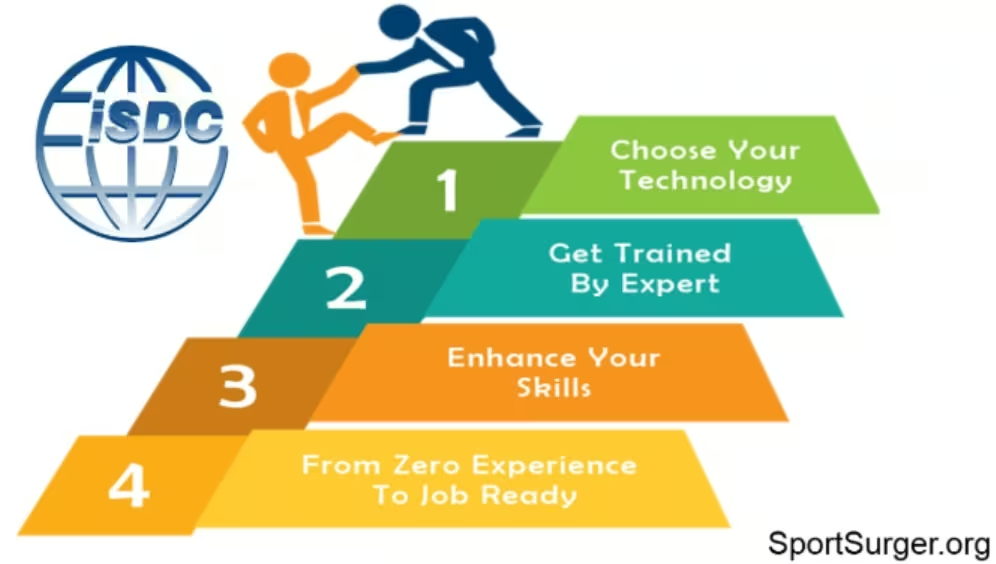
As job markets become more competitive, having the right skills can make all the difference. The skills development council ensures that individuals are not left behind and that industries have access to skilled talent.
By connecting education, industry, and employment, the council supports inclusive growth and long-term development.
Conclusion:
The skills development council is a powerful driver of economic and social progress. It helps individuals build meaningful careers, supports businesses with skilled workers, and strengthens national economies.
In a world where skills define success, the role of the skills development council cannot be ignored. Investing in skills is an investment in people, productivity, and prosperity.