

Introduction
An electrocardiogram, or ECG, is one of the most common tests used to check heart health. Many people get worried when they hear that their report shows something abnormal.
If you are trying to understand the abnormal ECG meaning, this guide explains everything in simple terms. You will learn what causes an abnormal result, what it may indicate, and what to do next.
What Is an ECG and Why It Matters?
Before understanding the abnormal ECG meaning, it is important to know what an ECG does.
An ECG records the electrical activity of your heart.
Every heartbeat is controlled by electrical signals, and this test captures them as waves on a graph. Doctors use these wave patterns to understand how well the heart is working.
An ECG can show:
- Heart rate
- Heart rhythm
- Signs of heart damage
- Blocked arteries
- Irregular electrical patterns
Because it is fast, painless, and accurate, doctors rely on it to detect early signs of heart problems.
Abnormal ECG Meaning: What Does It Really Show?
The abnormal ECG meaning is that some part of the heart’s electrical pattern is not within the expected range. This does not always mean a serious heart condition.
Sometimes, an abnormal ECG can be caused by minor, temporary, or harmless issues.
However, in some cases, it can point to conditions that need prompt treatment. That is why understanding the exact abnormal ECG meaning for your case is important.
Common Reasons Behind an Abnormal ECG Result
1. Irregular Heart Rhythms
One major cause behind the abnormal ECG meaning is arrhythmia. This means the heart may beat too fast, too slow, or in an uneven pattern. Many arrhythmias are harmless, but some require medical attention.
2. Heart Muscle Damage
When the heart muscle is weak or has been damaged—such as after a heart attack—the ECG pattern looks different. This can lead to an abnormal reading.
3. Blocked Arteries
If the blood flow to the heart is reduced, it can change the ECG waves. This may suggest coronary artery disease.
4. Electrolyte Imbalances
Electrolytes like potassium, calcium, and sodium help control electrical signals. When their levels are too high or too low, the ECG may appear abnormal.
5. Medication Side Effects
Certain medicines that affect blood pressure, heart rate, or electrical signals may be related to an abnormal ECG.
6. Structural Heart Problems
Abnormal heart size or shape—like an enlarged heart—can change ECG readings.
7. Temporary Factors
Sometimes, the abnormal ECG meaning is simply due to stress, dehydration, fever, or even improper electrode placement.
Symptoms That May Be Related to an Abnormal ECG
While many people get an abnormal ECG without symptoms, some may experience:
- Chest pain
- Palpitations
- Shortness of breath
- Dizziness
- Fatigue
- Fainting episodes
If these symptoms appear along with an abnormal test result, they may help identify the underlying issue.
Is an Abnormal ECG Always Serious?
The answer depends on the cause. The abnormal ECG meaning is not always linked to a dangerous condition. In many cases, it is temporary or harmless.
Harmless Causes:
- Anxiety or stress
- High caffeine intake
- Poor sleep
- Incorrect electrode placement
- Minor arrhythmias
Serious Causes:
- Heart attack
- Coronary artery disease
- Heart enlargement
- Severe arrhythmias
- Cardiomyopathy
- Electrolyte imbalance
This is why a full evaluation is important instead of assuming the worst.
How Doctors Interpret Abnormal ECG Meaning
Doctors look at several aspects while reading an ECG:
Heart Rate and Rhythm
They check if the heart is beating normally.
Wave Shapes and Intervals
Each wave (P-wave, QRS complex, T-wave) has a standard appearance. Changes point to specific conditions.
Comparing With Previous ECGs
Sometimes the ECG seems abnormal only because it has changed from earlier tests.
Combining With Symptoms
Your symptoms and history help doctors understand what the abnormal ECG suggests.
Tests That May Follow an Abnormal ECG
When an ECG is abnormal, doctors may suggest more tests to understand the cause. These include:
- Echocardiogram (heart ultrasound)
- Stress test
- Holter monitor (24-hour ECG)
- Blood tests
- CT scan or MRI (if needed)
These tests help confirm the real abnormal ECG meaning and guide treatment.
Treatment Options Depending on the Cause
Treatment varies based on what the abnormal ECG reveals.
For Arrhythmias
- Lifestyle changes
- Medications
- Pacemaker in severe cases
For Blocked Arteries
- Medications
- Lifestyle changes
- Angioplasty or bypass surgery
For Heart Muscle Damage
- Long-term medicines
- Monitoring
- Heart-healthy diet and exercise
For Electrolyte Problems
- Correcting potassium, calcium, or sodium levels
The right treatment depends completely on the underlying issue.
How to Prevent Abnormal ECG Findings
While some heart conditions cannot be prevented, you can lower the risk of abnormal results by:
- Eating a heart-healthy diet
- Exercising regularly
- Managing stress
- Quitting smoking
- Avoiding excessive caffeine
- Maintaining normal blood pressure
- Controlling diabetes and cholesterol
Keeping your heart healthy plays a major role in avoiding changes that could lead to an abnormal ECG.
When Should You Worry About an Abnormal ECG?
You should be more alert if you experience:
- Chest pressure
- Pain radiating to arm or jaw
- Sudden shortness of breath
- Fainting spells
- Rapid or irregular heartbeat
These symptoms can indicate a serious heart condition that needs urgent care.
But remember: the abnormal ECG meaning varies from person to person. Only a doctor can determine whether your result is a concern.
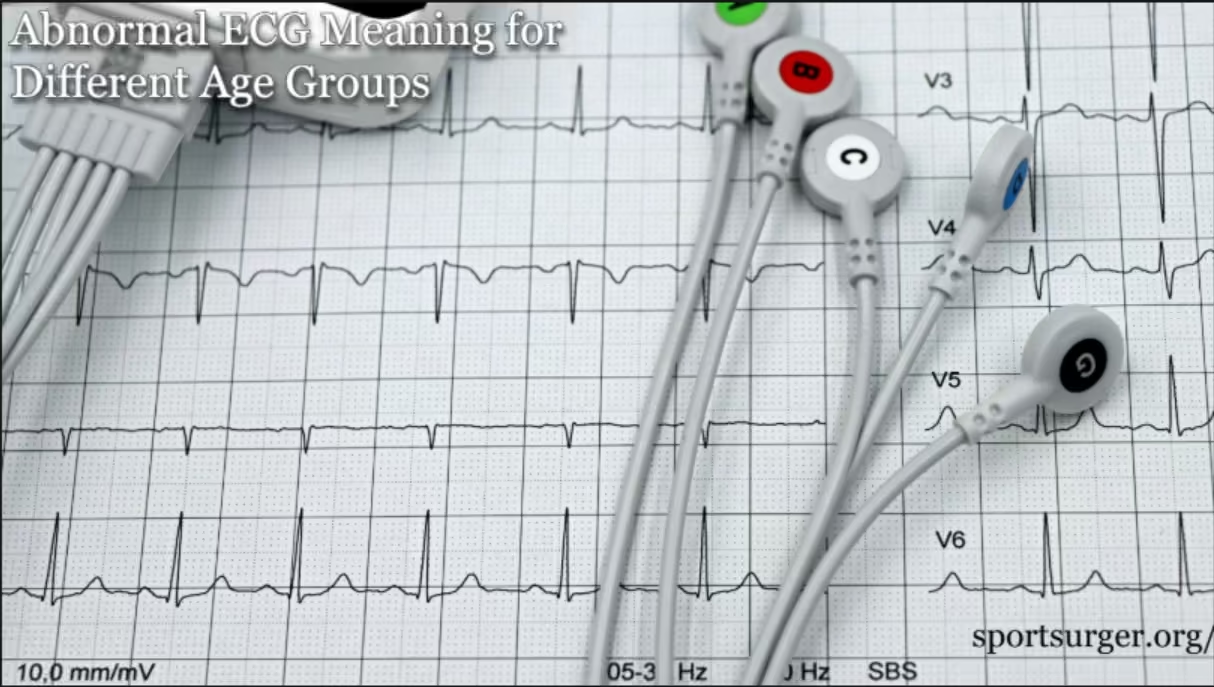
Abnormal ECG Meaning for Different Age Groups
Younger Adults
Often caused by stress, lifestyle factors, or minor arrhythmias.
Middle-Aged Adults
More commonly linked to early heart disease or high blood pressure.
Older Adults
May indicate long-term heart conditions, structural changes, or medication effects.
Understanding how age affects the abnormal ECG meaning provides better insight into potential risks.
Key Takeaway on Abnormal ECG Meaning
The abnormal ECG meaning simply indicates that your heart’s electrical activity looks different from the normal pattern. It does not automatically mean a severe problem.
Many causes are mild and easy to treat. However, sometimes it may signal a condition that needs medical attention.
Conclusion:
An abnormal ECG can be worrying, but understanding the abnormal ECG meaning helps reduce fear. The important thing is to follow your doctor’s adcvie, get additional tests if needed, and maintain a healthy lifestyle.
With proper evaluation, most people manage their heart health confidently and safely.