
Introduction
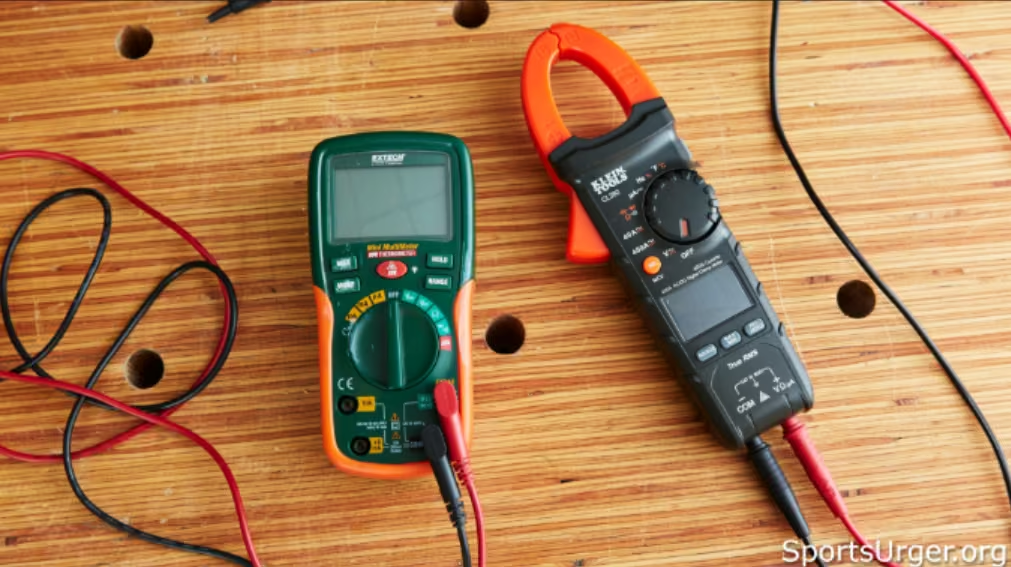
Learning how to use a multimeter is one of the most useful skills for anyone working with electronics, home appliances, DIY projects, or even simple battery testing.
A multimeter helps you measure voltage, current, resistance, and continuity—making it an essential tool for troubleshooting electrical problems.
This guide explains how to use a multimeter in an easy, step-by-step way, so even a complete beginner can follow along confidently.
What Is a Multimeter?
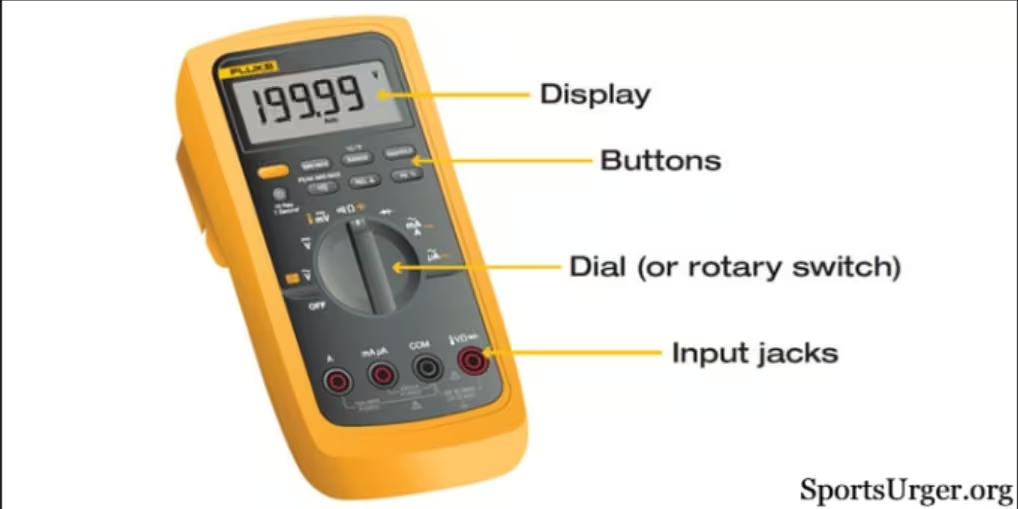
Before diving into how to use a multimeter, it’s important to understand what the device actually does. A multimeter is a handheld testing tool used to measure:
- Voltage (V)
- Current (A)
- Resistance (Ω)
- Continuity
- Sometimes extra features, depending on the model (temperature, frequency, diode tests)
There are two types:
- Digital Multimeter (DMM) – Shows readings on a digital screen.
- Analog Multimeter – Uses a needle to display values.
Most people today use a digital multimeter because it’s simple, fast, and more accurate.
Why Learning How to Use a Multimeter Matters
Understanding how to use a multimeter offers many benefits, such as:
- Diagnosing home electrical issues
- Testing car batteries
- Checking appliance circuits
- Testing continuity in wires
- Ensuring safety during electrical work
- Fixing DIY electronics projects
A multimeter can save you money, time, and unnecessary repairs.
How to Use a Multimeter
Now let’s break down exactly how to use a multimeter for different measurements. Each section includes simple steps anyone can follow.
How to Use a Multimeter to Measure Resistance
Resistance is measured in ohms (Ω).
Steps
- Turn the dial to the Ω symbol.
- Place the black probe in COM.
- Place the red probe in VΩ.
- Touch the probes to both ends of the component or wire.
- Read the resistance value.
Tip
If the reading shows OL, it means the resistance is too high or the circuit is open.
Knowing how to use a multimeter for resistance is important for diagnosing faulty wires or components.
How to Use a Multimeter for Continuity Testing
Continuity test helps you check whether electricity can flow through a wire or circuit.
Steps
- Set the multimeter to the continuity symbol (sound wave or diode).
- Insert black lead into COM and red lead into VΩ.
- Touch the probes together to hear the beep – this confirms it’s working.
- Touch the probes to each end of the wire or component.
- If it beeps, continuity is good; if not, there is a break.
Learning how to use a multimeter for continuity is very helpful for home and car wiring repairs.
How to Use a Multimeter to Measure Current
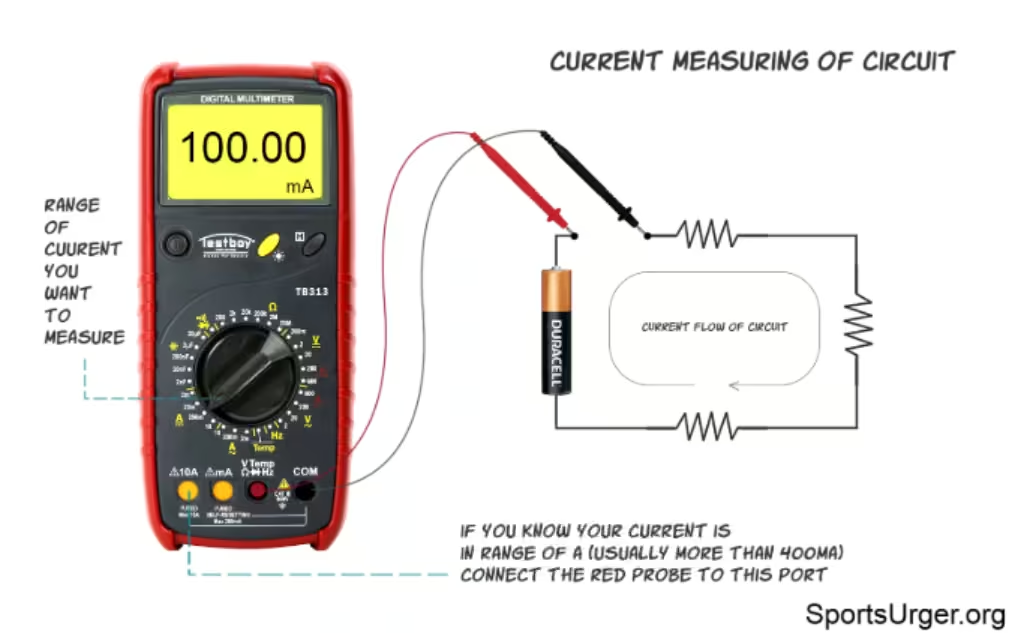
Current is measured in amps (A). Be careful when measuring current, as incorrect settings can damage the multimeter.
Steps
- Move the red probe to the A or 10A port depending on current size.
- Set the dial to A (AC or DC based on the circuit).
- Break the circuit and connect the multimeter in series.
- Read the value.
Current measurement is more advanced, but knowing how to use a multimeter for it helps diagnose motors, car electronics, and power supplies.
How to Use a Multimeter Safely
Using electrical tools requires caution. Here are essential safety rules:
1. Always Start at a Higher Range
If you’re not sure of the voltage, select the highest setting first.
2. Never Measure Current in a Live Outlet
This can damage the device.
3. Keep Fingers Behind Probe Guards
Prevents accidental shocks.
4. Inspect Wires Before Use
Damaged wires can be dangerous.
5. Use the Correct Port
Especially when measuring current.
Learning how to use a multimeter safely is as important as learning the functions
Common Mistakes When Learning How to Use a Multimeter
Many beginners make similar mistakes. Avoid these:
1. Mixing Up AC and DC Settings
Using the wrong setting results in inaccurate readings.
2. Leaving the Probe in the Current Port
Always move it back to the voltage port after measuring current.
3. Forgetting to Turn Off the Multimeter
This drains the battery.
4. Touching Probes Together Accidentally
This can cause sparks on high-current circuits.
How to Use a Multimeter for Household Repairs
Learning how to use a multimeter helps with many common home tasks.
1. Testing Wall Outlets
You can check if an outlet is giving proper voltage.
2. Checking Switches
Helps find faulty switches quickly.
3. Testing Extension Cords
Continuity testing confirms if a cord is broken inside.
4. Diagnosing Appliances
You can find failed components in fans, mixers, TVs, and more.
How to Use a Multimeter for Car Diagnostics
A multimeter is essential for basic car troubleshooting.
Battery Testing
Measure DC voltage to check if your car battery is healthy.
Fuse Testing
Use continuity mode to find blown fuses.
Alternator Check
Measure voltage with the engine running.
Knowing how to use a multimeter makes car maintenance easier and cheaper.
How to Choose the Right Multimeter
If you’re learning how to use a multimeter, you should also know what to look for when buying one.
Key Features to Consider
- Auto-range or manual range
- Backlit display
- Strong probes
- Safety rating (CAT II, CAT III)
- Additional modes (diode, temperature, frequency)
A good multimeter lasts long and offers accurate readings.
Conclusion:
Understanding how to use a multimeter opens the door to solving many electrical and electronic problems with confidence.
Whether you’re fixing a home appliance, checking a car battery, or testing a simple wire, a multimeter becomes a reliable companion.
By practicing regularly, you’ll quickly become comfortable with every feature. It’s one of the simplest yet most powerful tools you can learn to use.